
Automated product tagging: let computer vision manage your catalog metadata
Tagging thousands of product images by hand is slow, inconsistent and error-prone — and bad metadata buries products in search. AI image labeling fixes all three.
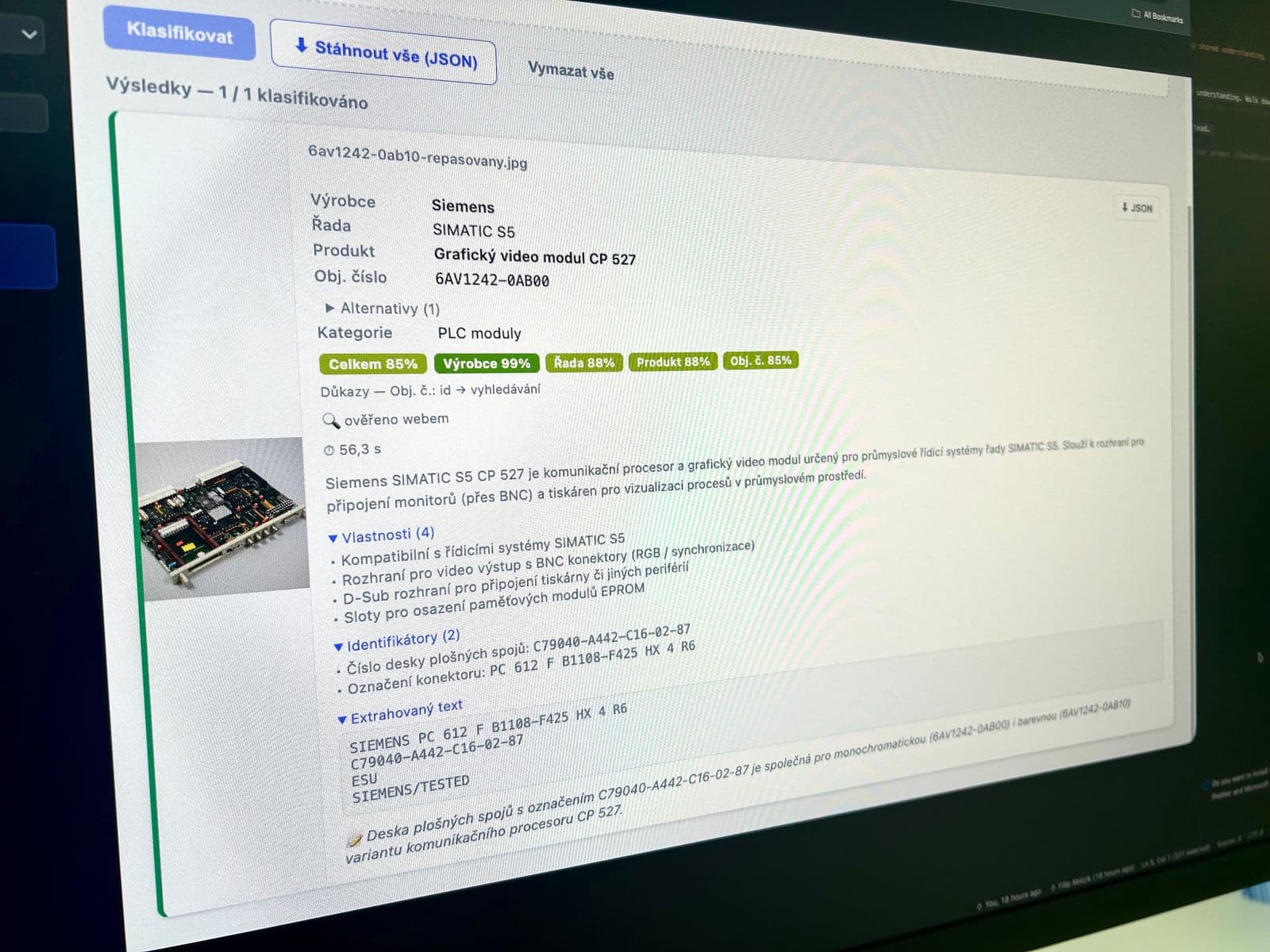
Managing product information effectively is a cornerstone of any successful e-commerce business, but it's no easy task. With ever-growing catalogs, tagging thousands — or tens of thousands — of product images becomes overwhelming. Without the right tools, the process is not only time-consuming but prone to errors, and incorrect or incomplete tags mean a frustrating customer experience and reduced visibility in search results — on your own site and in search engines.
The challenges of manual tagging
Manual product tagging means meticulously labeling each image with attributes like color, material, size or style. The work is tedious and demands constant attention to detail, which makes it ripe for human error: typos, omissions and inconsistent terminology all end up as poorly tagged products. That directly hurts your store's search visibility — customers searching for a specific item struggle to find it, and turn to competitors instead.
The problem compounds with every catalog update. New items must be added promptly; existing listings need adjustments to stay relevant. As the range grows, so does the effort required to keep tagging accurate — a genuine operational bottleneck.
How computer vision helps
AI-powered image labeling analyzes product photos and extracts detailed attributes — color, shape, texture, even patterns. A model can identify a "red polka-dot dress" or a "wooden dining chair with a sleek finish" and apply accurate, descriptive tags with no human intervention.
Consistency is the other critical advantage. Unlike manual processes, AI applies uniform tagging across the entire catalog, improving the overall quality of your product metadata. That consistency lifts both search engine optimization and internal site search: properly tagged products match queries better, so shoppers find what they're looking for with ease.
The business benefits
Enhanced discoverability. Accurate, consistent tags make it easier for search engines and site search to match customer queries. When a shopper searches for "black leather office chair", AI-generated tags put the right products at the top of the results — better shopping experience, more traffic, more sales.
Time and cost savings. Automation frees your team from hours of manual data entry for work that moves the business — customer service, marketing, new product lines. It also removes the costly errors that require rework.
Scalability. Whether you're adding hundreds of new products or revising tags for a seasonal collection, automated tagging keeps the catalog up to date and consistent at any scale.
The takeaway: automated product tagging is more than a convenience — it's a strategic investment. Streamlined operations, better product visibility and a smoother shopping experience are what make a store stand out in a crowded market.